KJ Tait

PERFORMANCE

Building Performance

Closing the Performance Gap in Buildings

Buildings are designed to achieve energy, carbon and comfort targets. Yet many consume more energy than expected, fail to meet operational targets or underperform once occupied. This difference between predicted and actual outcomes is commonly known as the performance gap.
KJ Tait helps building owners, developers and estates teams understand, measure and improve building performance through better design, operational energy analysis and performance led engineering.
Contact KJ Tait
Building performance and design optimisation by KJ Tait

What Is the Performance Gap?

Modern buildings are designed to achieve energy, carbon and comfort targets. Yet many fail to deliver the outcomes expected once occupied.

A building may achieve planning requirements, an EPC rating or sustainability certification while still consuming more energy than predicted in operation. This difference between predicted and actual performance is commonly known as the Performance Gap.

The Performance Gap can arise from design assumptions, commissioning issues, control strategies, occupancy patterns and operational practices. As energy costs rise and organisations pursue ambitious net zero targets, understanding how buildings perform in use has become increasingly important.

Why Building Performance Matters

Building performance affects energy consumption, carbon emissions, occupant comfort and long-term asset value. Improving performance can reduce operational costs, support sustainability objectives and help ensure buildings deliver the outcomes they were designed to achieve.

KJ Tait combines building services engineering, sustainability consultancy and operational energy expertise to help clients understand how their buildings perform in practice, identify opportunities for improvement and close the gap between design intent and real-world performance.

Building Performance in Practice

Building performance is ultimately measured by outcomes. Explore a selection of projects where KJ Tait has helped clients improve operational energy performance, support sustainability objectives and deliver better building outcomes.

Building Performance
Projects

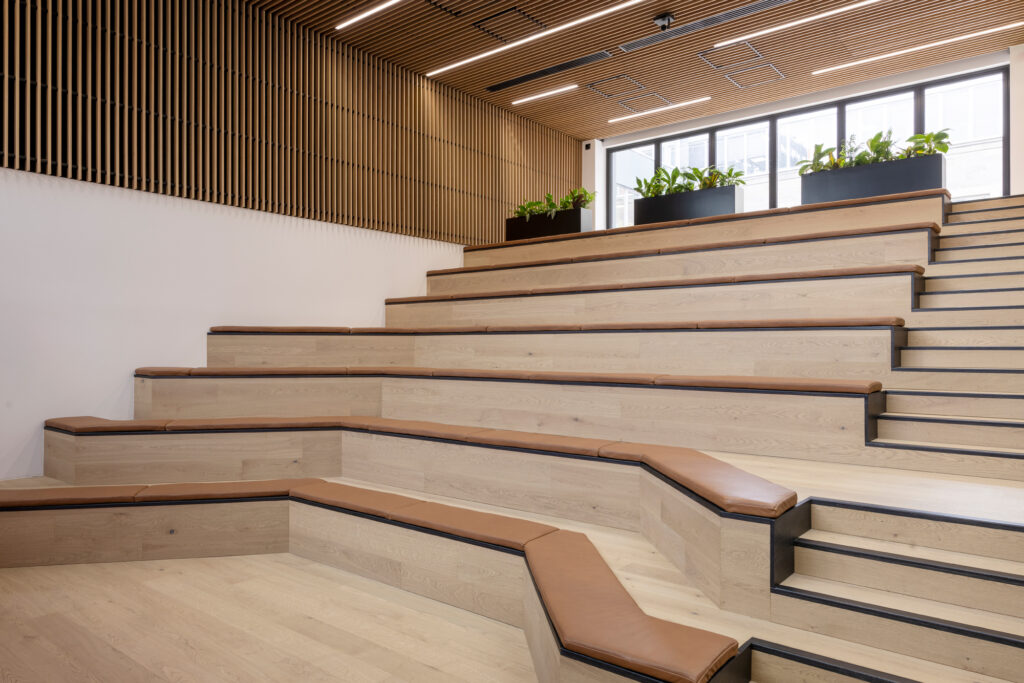
KJ Tait supported The Howard de Walden Estate to achieve a NABERS UK DfP Design Reviewed Target Rating of 4.5 Stars at 76–78 Portland Place.
View more
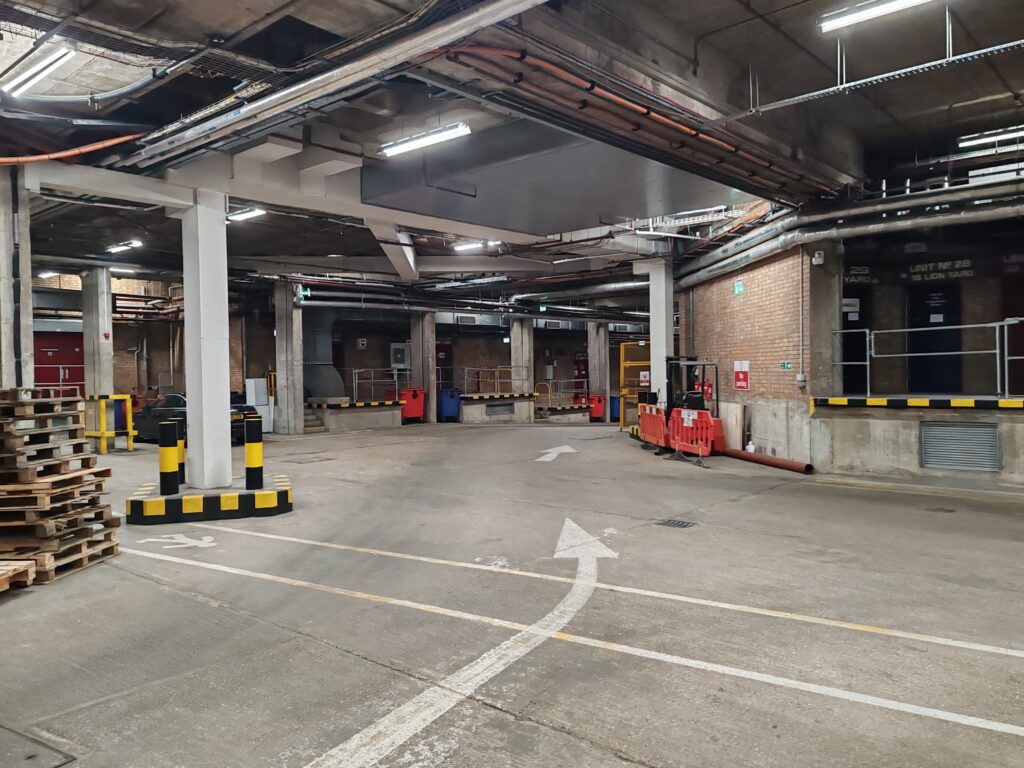
KJ Tait was commissioned to assess the overheating potential in the Service Yard of Lion Yard Shopping Centre, Cambridge. 
View more
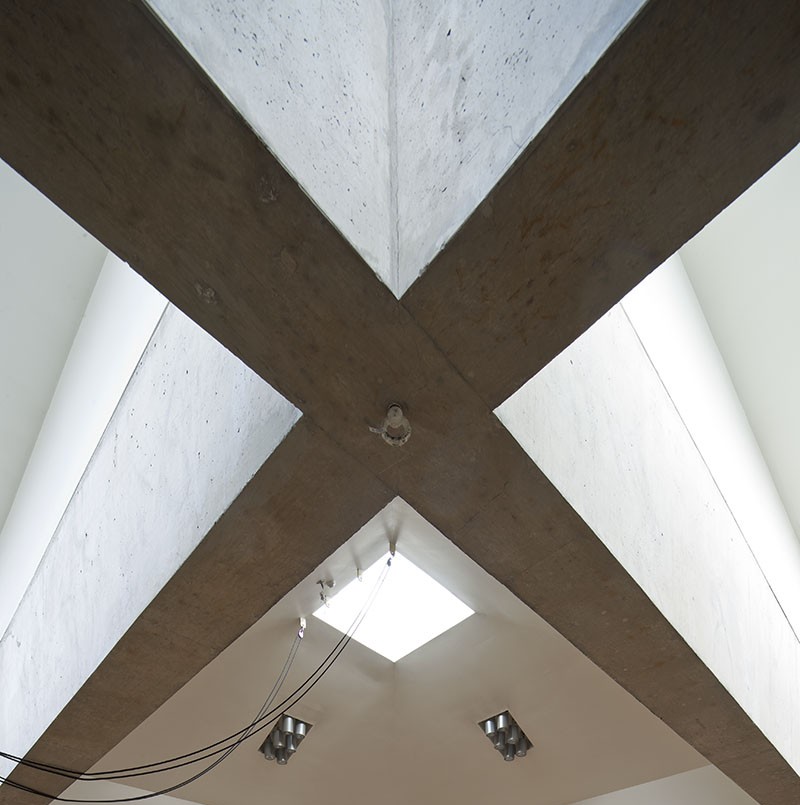
New Clarendon, located at 114-116 George Street in Edinburgh, has undergone an extensive refurbishment aimed at achieving high energy performance standards through BREEAM Excellent and EPC A.
View more
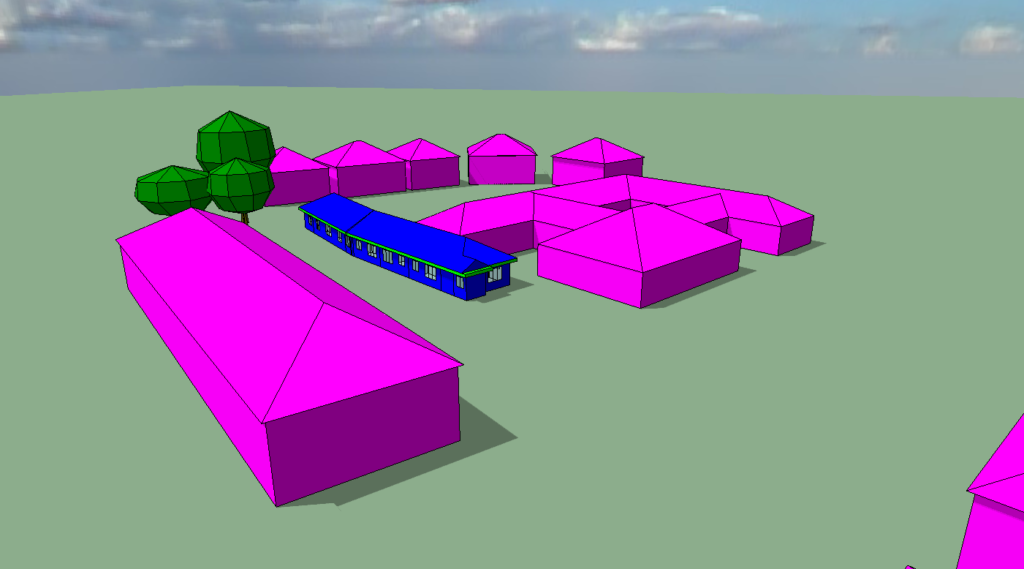
Oceana House, located in Southampton's Central Business District, began its journey with an EPC 'B' Pathway study led by our Sustainability Team at KJ Tait. We assessed cost effective and practical upgrades to lay the groundwork for the extensive improvements required.
View more
1 2 3 7

Related News
and Thoughts

The MEES regulations apply to privately rented non domestic properties that are legally required to have an EPC.
View more
For many years Soft Landings has been recognised as best practice for improving how buildings perform once occupied. Yet outside mandated public sector projects its uptake has remained limited.
View more
The Scottish Government’s response to the EPC Reform Consultation signals a major shift in how energy performance will be assessed.
View more
The City of London Corporation has set a new precedent in sustainable development by formally integrating NABERS UK ratings into its Planning for Sustainability Supplementary Planning Document (SPD).
View more
1 2 3 9
cross