KJ Tait completed energy audits and ESOS assessments for Astex Pharmaceuticals' research facilities at Cambridge Science Park.
KJ Tait was appointed by Astex Pharmaceuticals to deliver its Energy Savings Opportunity Scheme (ESOS) Phase 3 assessment and provide ESOS Lead Assessor services for two research facilities at Cambridge Science Park.
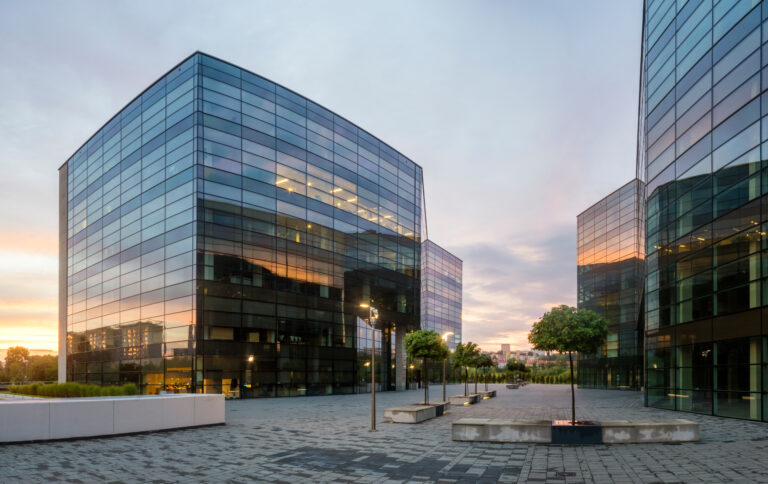
The project involved detailed energy audits of Buildings B430 and B436, which together provide laboratory, office and specialist research accommodation with a combined floor area of approximately 8,000 m². The assessment reviewed the organisation’s energy consumption over the ESOS reference period and identified opportunities to reduce energy use, carbon emissions and operating costs.
As part of the ESOS compliance process, KJ Tait undertook building energy audits in accordance with BS EN 16247-1 and prepared the supporting evidence required for submission to the Environment Agency.
Research and pharmaceutical facilities are inherently energy intensive. Unlike conventional office buildings, laboratory environments require high levels of ventilation, specialist equipment, close environmental control and process-related energy consumption.
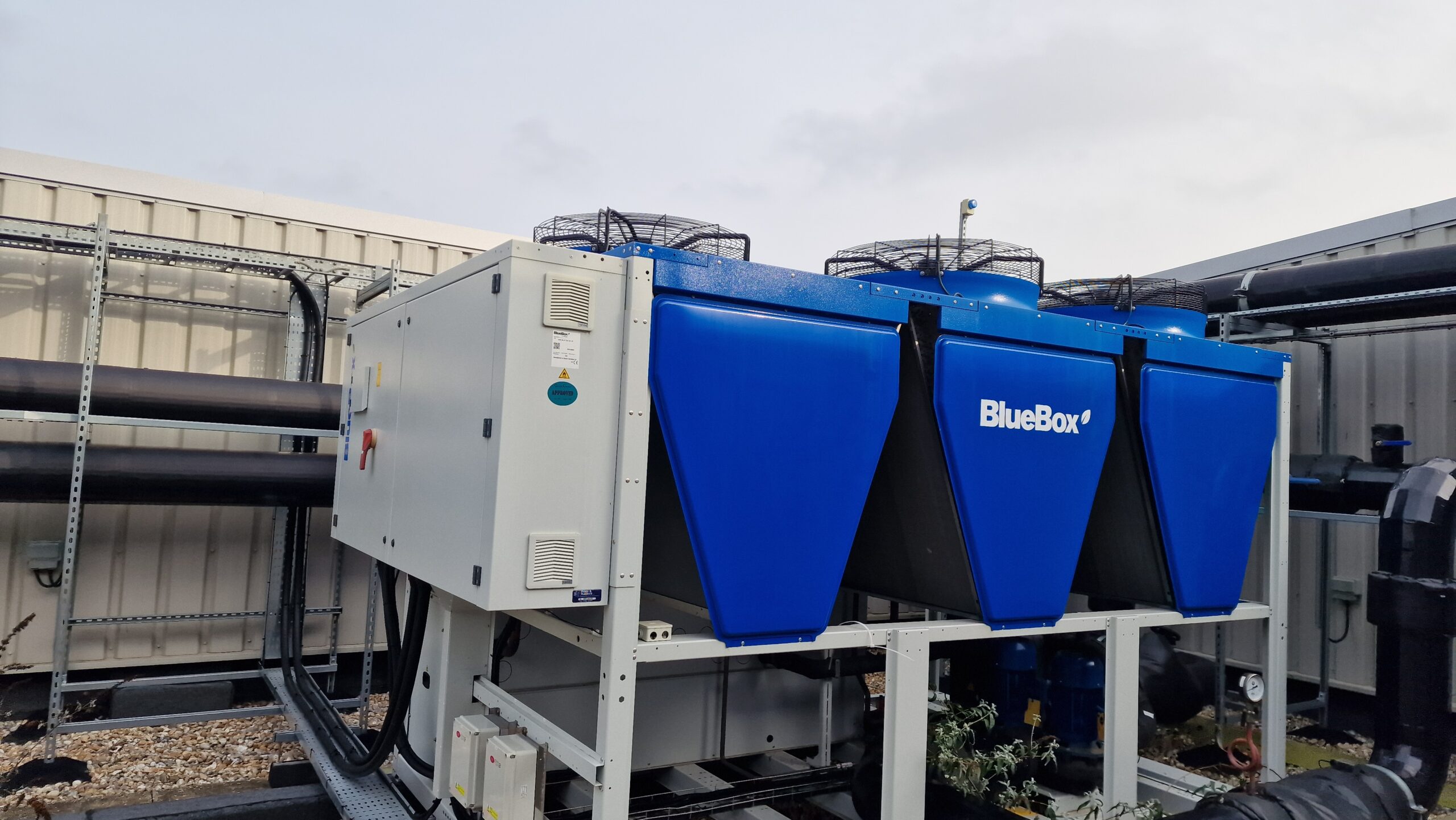
At Astex Pharmaceuticals, the two buildings contained a mixture of office accommodation, laboratories, specialist research areas, autoclaves, fume cupboards, cooling systems and steam generation plant. Building B430 also included a vivarium requiring tightly controlled temperature and humidity conditions.
A further challenge was the absence of comprehensive sub-metering. Without detailed end-use metering, individual energy loads could not be measured directly and had to be assessed using available utility data, operational information, equipment schedules and engineering calculations.
The client required a robust assessment that would satisfy ESOS requirements while providing practical recommendations capable of delivering measurable reductions in energy use and carbon emissions.
KJ Tait carried out site surveys of both buildings and reviewed four years of energy consumption data, including electricity, gas, water and transport information.
The assessment examined how energy was being consumed across the buildings and compared performance against other laboratory facilities of a similar size. Existing building services systems, laboratory processes and operational practices were reviewed to identify the principal areas of energy demand.
For Building B430, the analysis identified steam generation and environmental control within the vivarium as the largest contributor to gas consumption. Autoclave operation was also found to represent a significant energy load.
For Building B436, energy consumption was heavily influenced by laboratory equipment, cooling systems, ventilation plant, fume cupboard extract systems and specialist steam generation associated with research activities.
Using site observations, manufacturer data, record information and engineering calculations, KJ Tait developed a series of targeted energy-saving measures. Recommendations ranged from operational improvement through to ventilation and plant control strategies designed to reduce unnecessary energy consumption while maintaining the performance requirements of the research facilities.
The study also highlighted the value of additional sub metering to improve future energy management and provide greater visibility of building performance.