Understand your building’s risk under MEES 2031 and define a practical pathway to EPC B.
Many commercial assets will not meet future requirements without targeted upgrades. Early assessment allows you to control cost, avoid compliance risk and plan improvements properly.
Minimum Energy Efficiency Standards (MEES) set a legal baseline for the energy performance of commercial buildings in England and Wales. Since April 2023, it has been unlawful to continue letting properties with an EPC rating below E unless a valid exemption is in place.
The proposed direction of travel is a significant tightening of these requirements. Current government policy (June 2026) signals a move towards an EPC B target by 2031 for let commercial buildings over 1,000m². While the final legislation is still evolving, this trajectory is already shaping investment decisions, valuation assumptions and asset management strategies.
For many existing buildings, achieving EPC B is not a simple upgrade. It typically requires coordinated changes to building services, including heating, cooling, ventilation and controls, supported by a clear understanding of how those systems interact within the EPC methodology.
As a result, MEES 2031 is not just a compliance issue. It introduces a wider performance risk, where buildings that cannot be economically improved may face increasing challenges in leasing, refurbishment viability and long-term asset value.

Minimum Energy Efficiency Standards (MEES) set the baseline for how energy efficient a commercial building must be before it can be let. Current regulations require a minimum EPC rating of E, but the direction of travel is clear. Government policy and industry guidance point towards a significant uplift in expected performance with confirmation that let propeties over 1,000m² must achieve an EPC B by 2031.
The widely referenced trajectory is a move towards EPC B for commercial buildings. While final implementation details continue to evolve, asset managers and landlords are already responding to the likely change. Buildings that do not meet improved standards are expected to face increasing risk in lettings, valuation and long-term asset viability.
For existing buildings, this is not a minor adjustment. Achieving EPC B often requires targeted upgrades to building services, controls and, in some cases, fabric performance. Understanding what this means for your asset – and when intervention is required – is now a key part of asset management and forward planning.

Many commercial buildings currently sit within EPC bands D and C, but moving to EPC B represents a significant step change. The gap cannot usually be closed through minor adjustments or isolated upgrades. It requires a coordinated approach to building services, controls and overall system performance.
Existing plant is often the main constraint. Systems installed during previous refurbishments may no longer align with current performance expectations, particularly where gas-based heating and older cooling systems remain in place. Even where buildings appear efficient, underlying inefficiencies can prevent meaningful improvement in EPC rating.
Lighting and fabric improvements can contribute, but they rarely deliver EPC B on their own. The outcome depends on how systems perform together. Without a structured assessment, upgrades can become fragmented, increasing cost without delivering the required uplift in performance.
This is why buildings that appear close to compliance still fall short. Understanding the scale of intervention required before committing to capital expenditure allows more effective planning and avoids reactive upgrade strategies.
A clear understanding of building performance and upgrade options is essential before committing to capital expenditure.
The priority is to move from a compliance assumption to an evidence based plan.
This starts by understanding:
From there, a clear pathway can be developed that aligns technical upgrades with leasing events, refurbishment cycles and capital planning.
Use our free MEES 2031 Portfolio Risk Screener to estimate your exposure in under two minutes.
Achieving EPC B is not a single upgrade or specification choice. It requires a structured understanding of how the building performs and how different systems interact within the EPC model.
The starting point is a clear assessment of the existing building. This typically involves reviewing the current EPC, validating assumptions and developing a model that reflects how the building is actually configured. From this, it becomes possible to test different upgrade scenarios and understand their impact on performance.
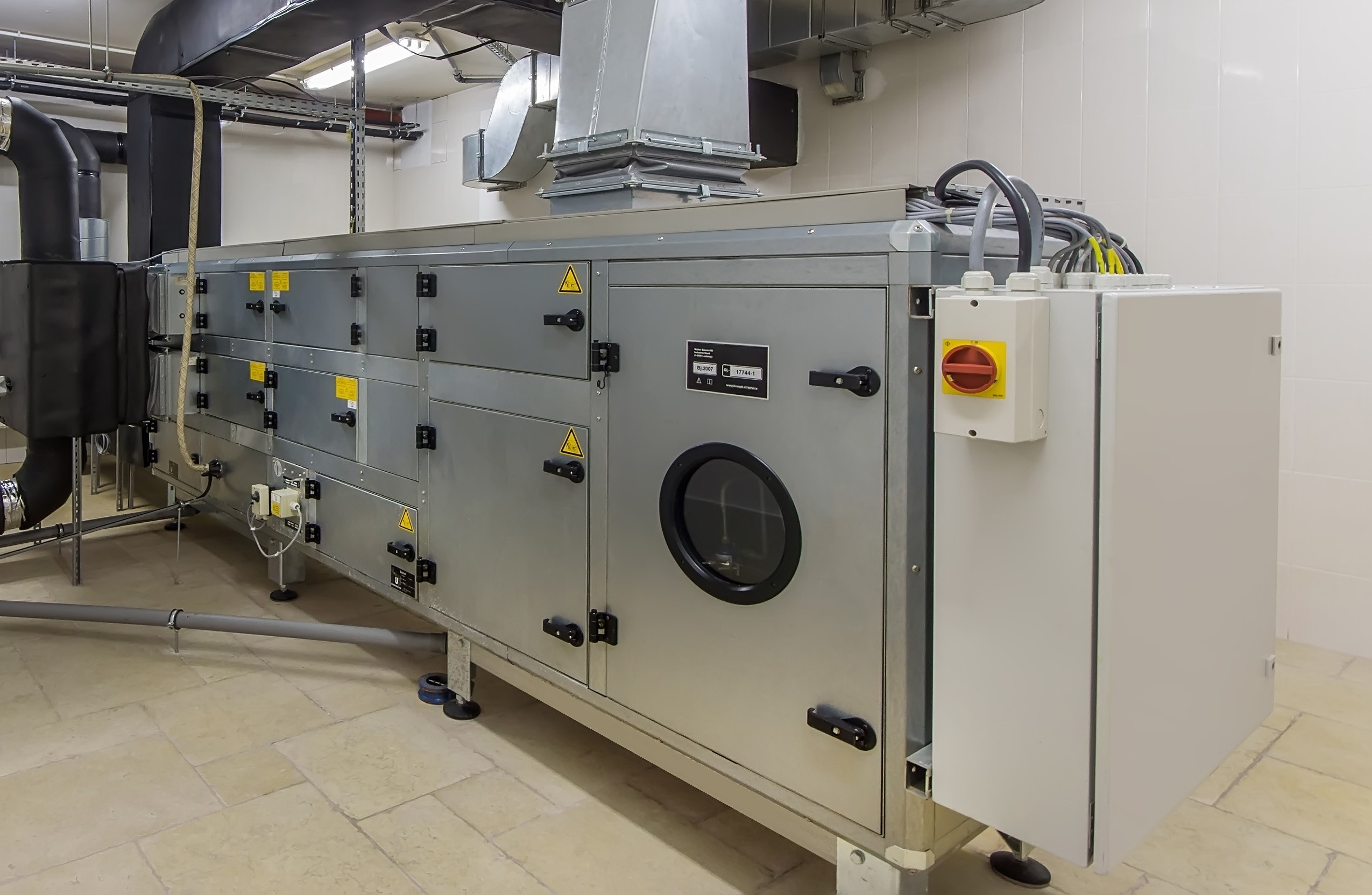
The most effective strategies focus on building services. Heating, cooling, ventilation and controls often drive the outcome more than individual fabric measures. Upgrades need to be coordinated, with a clear view of what is achievable within the constraints of the building and how works can be delivered in practice.
Planning also needs to consider timing. Aligning improvements with plant replacement cycles can reduce cost and disruption, while still achieving the required improvement in performance.
For many clients, this process begins with a single building. Developing a clear pathway for one asset provides a benchmark that can then be applied across a wider portfolio.
Achieving EPC B requires a combination of assessment, modelling and engineering input. These services provide a structured route from compliance risk to deliverable improvements.


Many portfolios underestimate the scale of change required to reach EPC B.
Early decisions based on incomplete information often lead to wasted cost and missed targets.
Identifying these risks early allows for a more targeted and deliverable approach to compliance.

Speak directly with
Chartered Engineer. CIBSE Level 5 Energy Assessor. Commercial EPC assessments and MEES compliance across England, supported by a wider engineering team.
Email: paul.miller@kjtait.com
Phone: 0131 225 7117
Request a fee proposal or initial discussion
Send the building address, use type, approximate floor area and target date, and we will confirm scope and provide a fee proposal.
Since April 2023, it has been unlawful to continue letting commercial property below EPC E unless a valid exemption is registered.
Asset managers and lenders are already factoring future MEES requirements into investment decisions.
Many buildings rated D or C require significant upgrades to reach EPC B.
Confirmed in June 2026, for let commercial builidngs over 1,000m² an EPC B must be achieved by 2031.
Yes. Since April 2023, MEES applies to continuing leases. Landlords cannot continue to let commercial buildings below EPC E unless a valid exemption is registered.
Minimum Energy Efficiency Standards require commercial buildings in England to meet minimum EPC thresholds. By 2031, let commercial properties over 1,000m² must achieve an EPC B rating.
The current legal minimum is EPC E. Buildings rated F or G cannot be lawfully let unless a valid exemption has been registered.
MEES applies to most commercial buildings that are let or intended to be let, provided they are legally required to have an EPC. Asset managers should review each asset individually.
Yes. MEES restricts letting rather than sale. However, compliance risk transfers to the purchaser, who will need to address the EPC rating before leasing the property.
Many buildings are currently rated EPC D or E. Achieving EPC B often requires more extensive upgrades than those listed in standard EPC recommendations.
In most cases, EPC recommendation reports alone are not sufficient. More detailed analysis and engineering input are typically required to define a realistic pathway.
Planning should begin as early as possible, particularly for portfolios, to allow time for assessment, modelling and delivery of improvements.
Thermal and energy modelling helps test potential improvements and understand how changes affect EPC outcomes before committing to capital investment.
KJ Tait provides EPC assessments, improvement pathways and engineering led strategies to help buildings achieve EPC B in a way that is technically robust and commercially realistic. This includes modelling upgrade options, identifying risk early and aligning improvements with asset value and long-term performance.