Low GWP Refrigerants for UK VRF and Heat Pumps
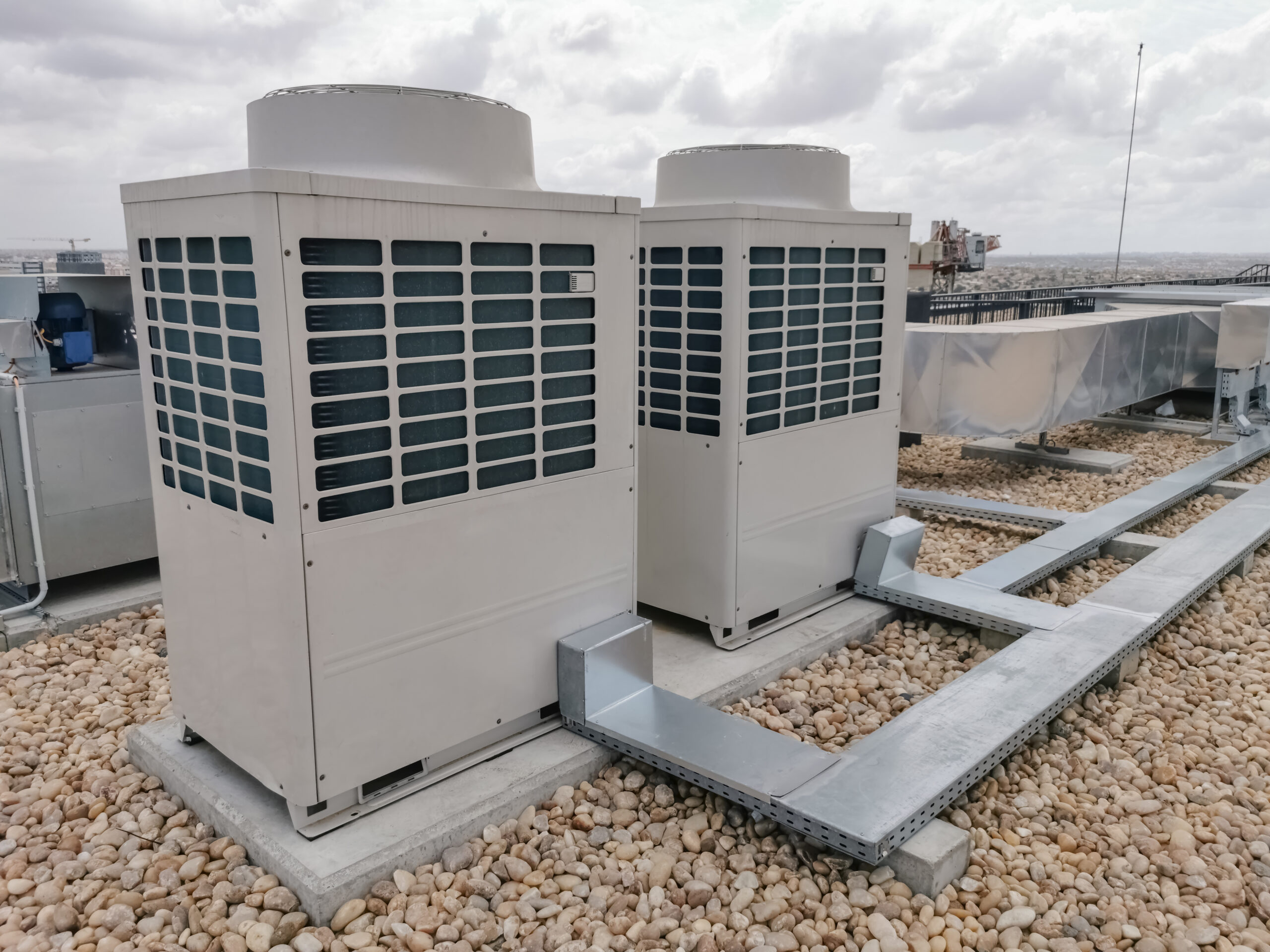
Building owners and developers face complex choices when selecting refrigerants for heat pumps and refrigerants for VRF systems. The market is moving fast and F‑gas regulation changes create uncertainty. The central worry is simple. If a system is installed today, will it remain compliant and serviceable in five or ten years
Owners want assurance. They need systems that run reliably for their full economic life with refrigerant available at a reasonable cost. Long delays in sourcing refrigerant harm building operations and tenant satisfaction. Peace of mind depends on supply, compliance and performance working together.
The VRF market is still largely dependent on R32, which has a comparatively high GWP. Moving VRF to propane is limited by safety constraints. CO₂ and other low GWP refrigerants are emerging, yet they are not proven at scale for typical VRF use. This leaves owners who want to future‑proof assets with a genuine dilemma.
Three factors dominate the choice of refrigerants for heat pumps and for VRF. Safety. Cost. Performance.
Hybrid VRF (HVRF) is often proposed to cut refrigerant in occupied areas by using water circuits. In practice, HVRF has notable drawbacks. Hybrid branch control units are noisy and large. They demand more internal space than standard VRF. Pipework is larger, which increases embodied carbon. Total refrigerant charge at the control box rises, so the underlying GWP issue is not solved. Efficiency can drop due to added pumping energy and complex controls. These combined factors mean HVRF is not a robust or future‑proof solution.
In November 2025, the UK Government launched a formal consultation on reforming the HFC phasedown under the F‑gas Regulation. The proposal seeks a 98.6 percent reduction in HFCs placed on the market by 2048, compared with the current pathway that targets a 79 percent reduction by 2030. Industry feedback is requested on timing, supply chain readiness and wider business impacts. Responses close at 11:59pm on 17 December 2025.
Full details and the response portal are available at
This consultation underscores the need to plan for low GWP refrigerants and to understand future constraints on refrigerants for heat pumps and refrigerants for VRF.
Safety cannot be compromised. Highly flammable refrigerants like propane should not be routed through occupied spaces. At the same time, operational efficiency and future compliance must be balanced. Practical options include:
These approaches help owners manage the risks of F‑gas regulation changes while keeping systems efficient and serviceable.
What is the safest route to low GWP in occupied buildings?
Central plant heat pumps using low GWP refrigerants that deliver heating and cooling via water to occupied spaces. This avoids routing flammable refrigerant inside tenanted areas.
Will CO₂ systems suit every building?
CO₂ can be effective, especially for domestic hot water and certain heat pump applications. Efficiency and complexity vary by climate, load profile and system design. A case‑by‑case assessment is needed.
Is R32 still viable under F‑gas regulation changes?
R32 remains common in VRF today. Future constraints will tighten. Owners should plan for staged upgrades and ensure systems can migrate to lower GWP options when the market is ready.